Flat Roof Ventilation Installation in NYC
Drips on the top-floor ceiling in winter, a musty smell, or rooms that bake all summer? The culprit is often trapped air under a flat roof. We design and install flat roof vents across NYC that let moisture and heat escape, protecting your roof deck and comfort.
- Moisture & Heat Control
- Licensed & Insured
- Free Ventilation Check
- Who We Are
Roof Ventilation for Flat Roofs, Planned by Experienced Roofers
Flat roofs don’t have the attic airflow of a pitched roof, so moisture from showers, cooking, and heating can get trapped in the roof cavity. In 20+ years of roofing, we’ve seen the results on NYC row houses and apartment buildings: rotted joists, soggy insulation, and mold. Our crews work out where air should enter and exit, then install the right vents and seal them properly, so your roof can breathe without letting rain in.

- Services
Ventilation Systems for Flat Roofs We Install
Every flat roof breathes differently. We choose roof vents for flat roofs by structure, the space below and moisture load.
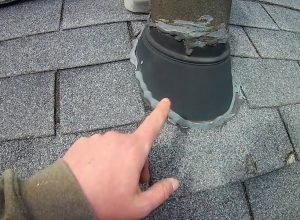
Flat Roof Air Vents
Low-profile air vents release warm, damp air from the roof cavity, helping prevent condensation that rots decking and joists.

Mushroom and Static Vents
These simple, no-moving-parts vents sit on the roof surface and let air escape steadily, with weather caps that keep rain out.

Powered Flat Roof Ventilators
Powered flat roof ventilators, including solar units, pull humid air out fast, sized so they never draw cooled air from rooms below.

Soffit Vents for Flat Roofs
Where roofs overhang, soffit vents bring in fresh air at the edge. Parapet roofs get cornice, fascia or low-profile intakes instead.

One-Way Breather Vents
Breather vents let vapor escape from under the membrane, relieving pressure that causes blisters. Wet insulation is replaced.

Vent Flashing and Sealing
We flash and seal every vent opening into the roof membrane, so better airflow never comes at the cost of a new leak.
Venting a Flat Roof: Our Installation Process
Venting a flat roof safely starts with careful planning, then clean, watertight installation.
Find the Moisture
We use a moisture meter and thermal camera on ceilings, cavity and membrane.
Plan the Airflow
We map intake and exhaust points and choose vents that suit the roof.
Cut and Install
Openings are cut, framed and fitted with vents, and the work area is cleaned.
Flash and Test
We seal each vent into the membrane, confirm airflow and clear all debris.
Is Your Flat Roof Struggling to Breathe?
Poor flat roof air ventilation causes slow, hidden damage that often gets mistaken for a roof leak. Warm, moist air rises into the roof cavity, meets cold surfaces, and condenses into water. Over time that water soaks insulation, rots wood, and feeds mold. If you notice any of these warning signs, it’s worth having your roof’s airflow checked.

Winter Drips With No Rain
Mold or Musty Odors
Top Floor Feels Like an Oven
Blisters in the Membrane
Flat Roof Ventilation for NYC Homes & Commercial Buildings
From Brooklyn brownstones with sealed roof cavities to Queens storefronts with busy kitchens, ventilation needs vary block by block. We size and place vents to suit each building’s layout, use and moisture levels.




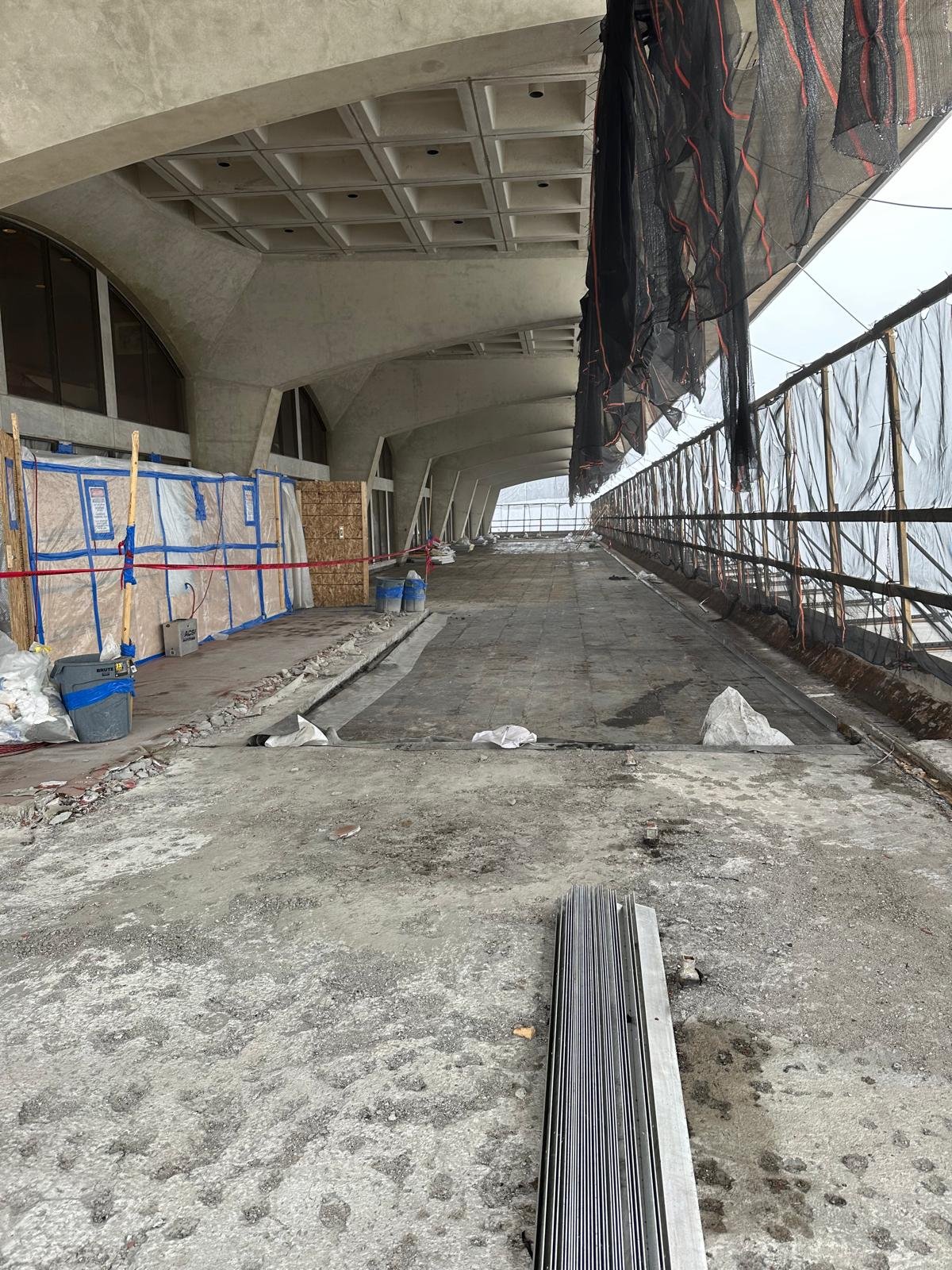
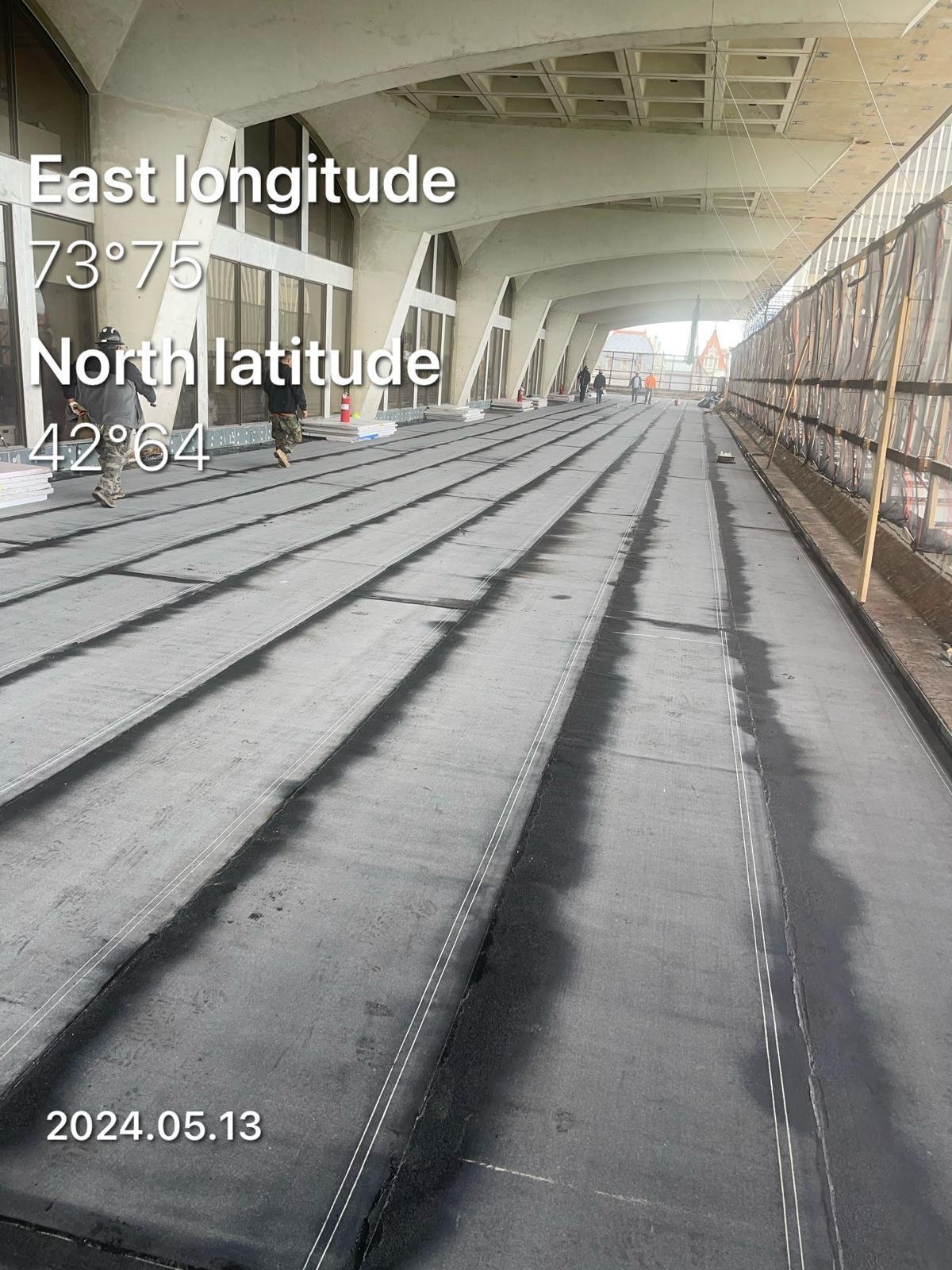
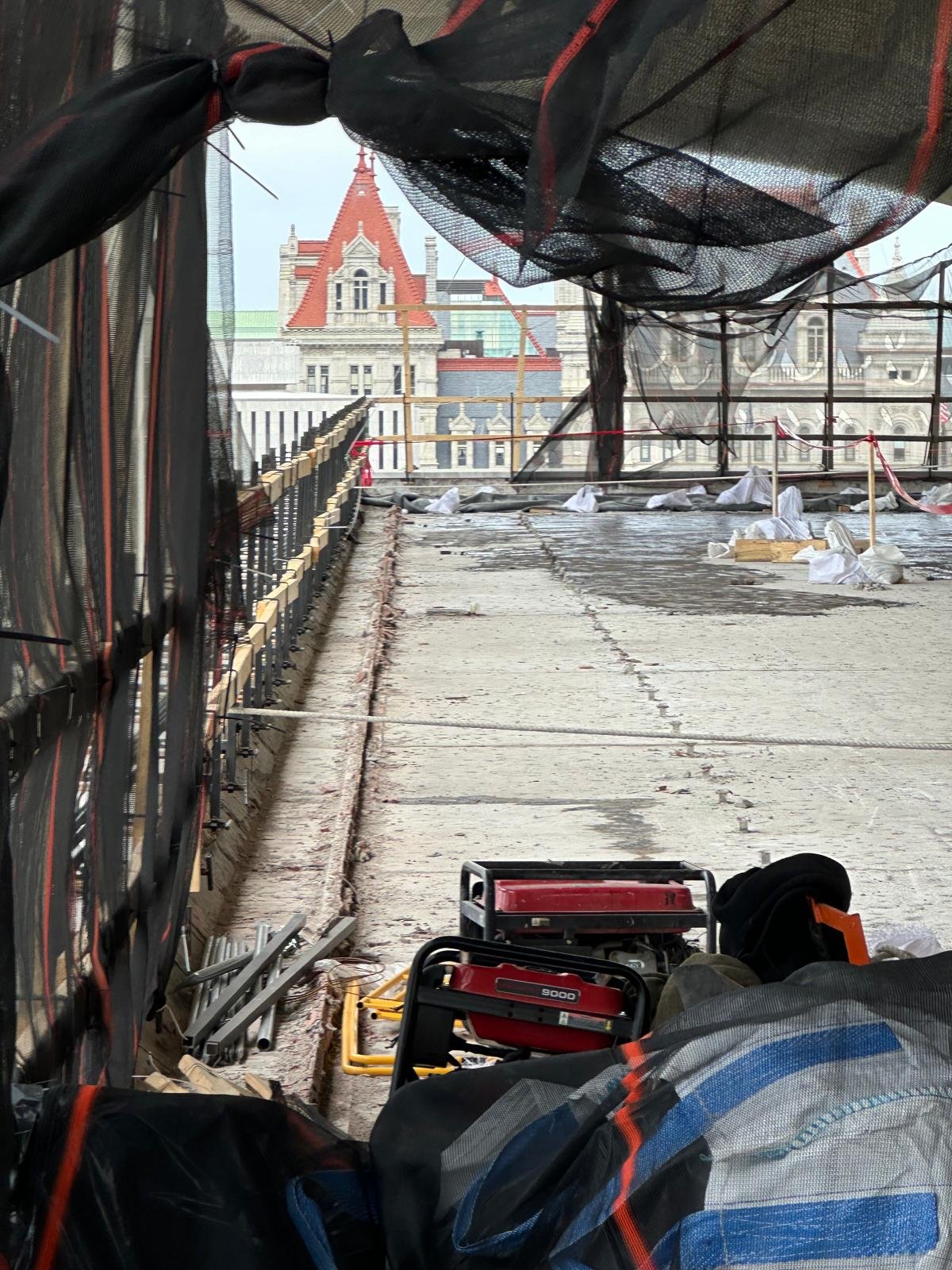

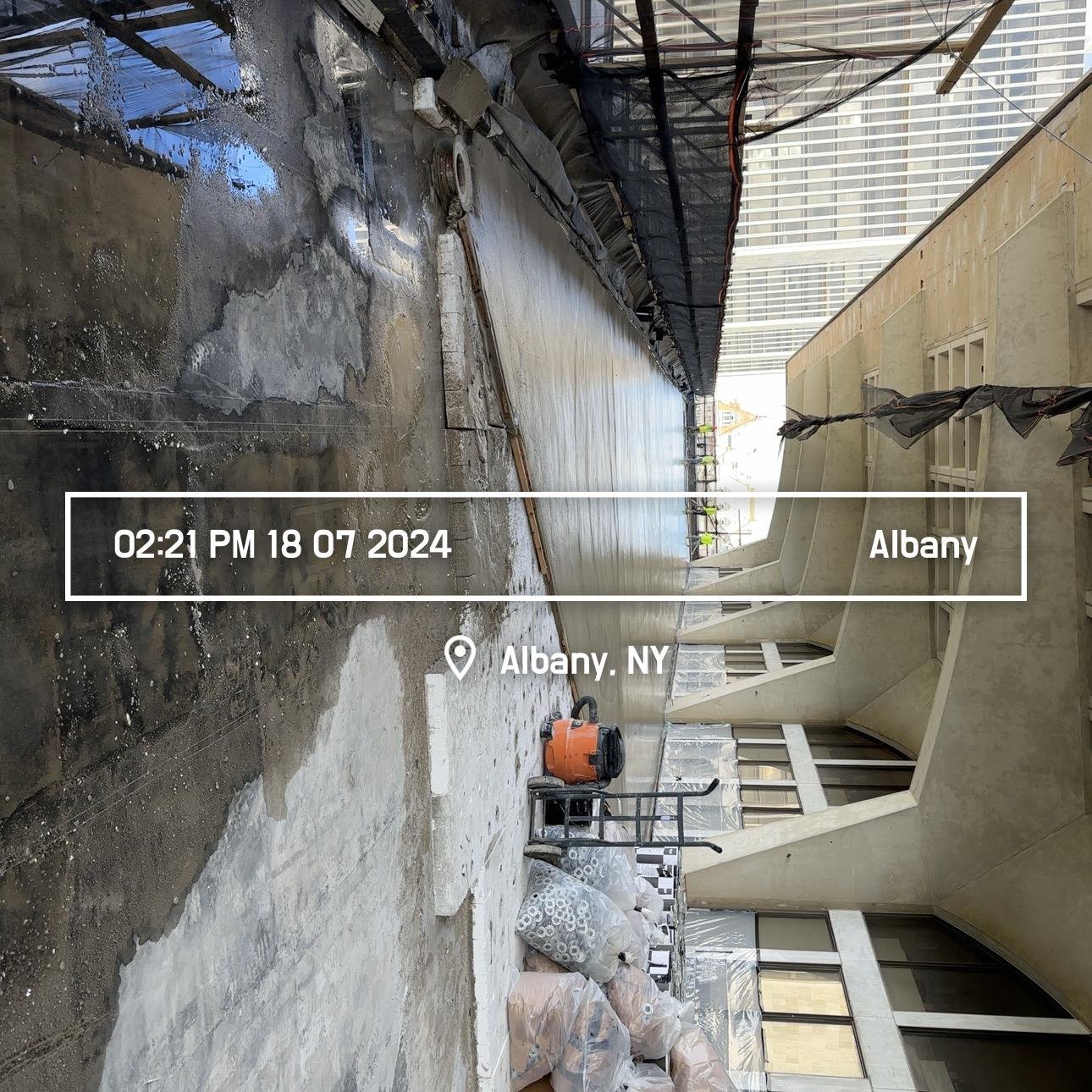



Testimonials

- Why Choose Us
Why Owners Choose Us for Flat Roof Vents
Adding vents means cutting holes in your roof, so it has to be done by people who understand both airflow and waterproofing. We plan ventilation around how your building is actually used, install vents that suit the roof system and seal every opening properly. You get a drier, cooler roof cavity without trading one problem for another.
- Airflow planned for your specific building
- Static, mushroom, breather and powered vents
- Flat roof vents flashed and sealed into the membrane
- Licensed and insured for NYC roof work
- Moisture checks before and after installation
- Free ventilation checks with photo findings
Dealing with condensation or a hot top floor? Call (646) 498-9539 and book a free flat roof ventilation check.
(646) 498-9539
- FAQs
Flat Roof Ventilation FAQs
How many vents does a flat roof need?
It depends on the roof area, the cavity layout and the moisture load below. As a general rule, the NYC Building Code (Section 1202) calls for about 1 square foot of net free vent area for every 150 square feet of vented space, split between intake and exhaust. We calculate the number and spacing of vents for your roof after inspecting it.
How much does flat roof ventilation cost?
Most static, mushroom or breather vents cost about $300 to $600 each to install, including parts, flashing and labor. Powered ventilators and roofs that need new intake paths cost more. Most NYC homes need several vents, so we give you a fixed written price after a free ventilation check.
Can ventilation help lower my energy bills?
Yes. Releasing trapped summer heat from the roof cavity keeps top floors cooler, so your air conditioning works less. Pairing vents with a reflective flat roof coating cuts rooftop heat even further.
Can you vent a flat roof that has no soffit or overhang?
Yes. Most NYC row houses and brownstones have parapet walls instead of overhangs, so we bring in fresh air through cornice or fascia vents, low-profile intake vents on the roof, or edge vents, and pair them with exhaust vents higher up so air moves across the whole cavity.
Which flat roof vent is right for my roof?
Static and mushroom vents suit most small cold-deck roofs. Powered ventilators suit larger or high-moisture spaces, such as rooms over kitchens. One-way breather vents relieve vapor under the membrane. Ventilation also works with your insulation and vapor barrier, so we check all three before recommending a vent type.
Stop Hidden Moisture Before It Rots Your Roof
- Free Ventilation Check · Watertight Installs
Trapped moisture works quietly, soaking insulation and weakening joists long before you see a stain. Book a free flat roof ventilation check today. We’ll find where air is getting trapped, show you photos and recommend the right vents, with a clear price and no pressure.
- Licensed & Insured in NYC
- 20+ Years Protecting Roofs
- 4.5★ from 150+ Google Reviews
- 2-Year Repair Warranty